
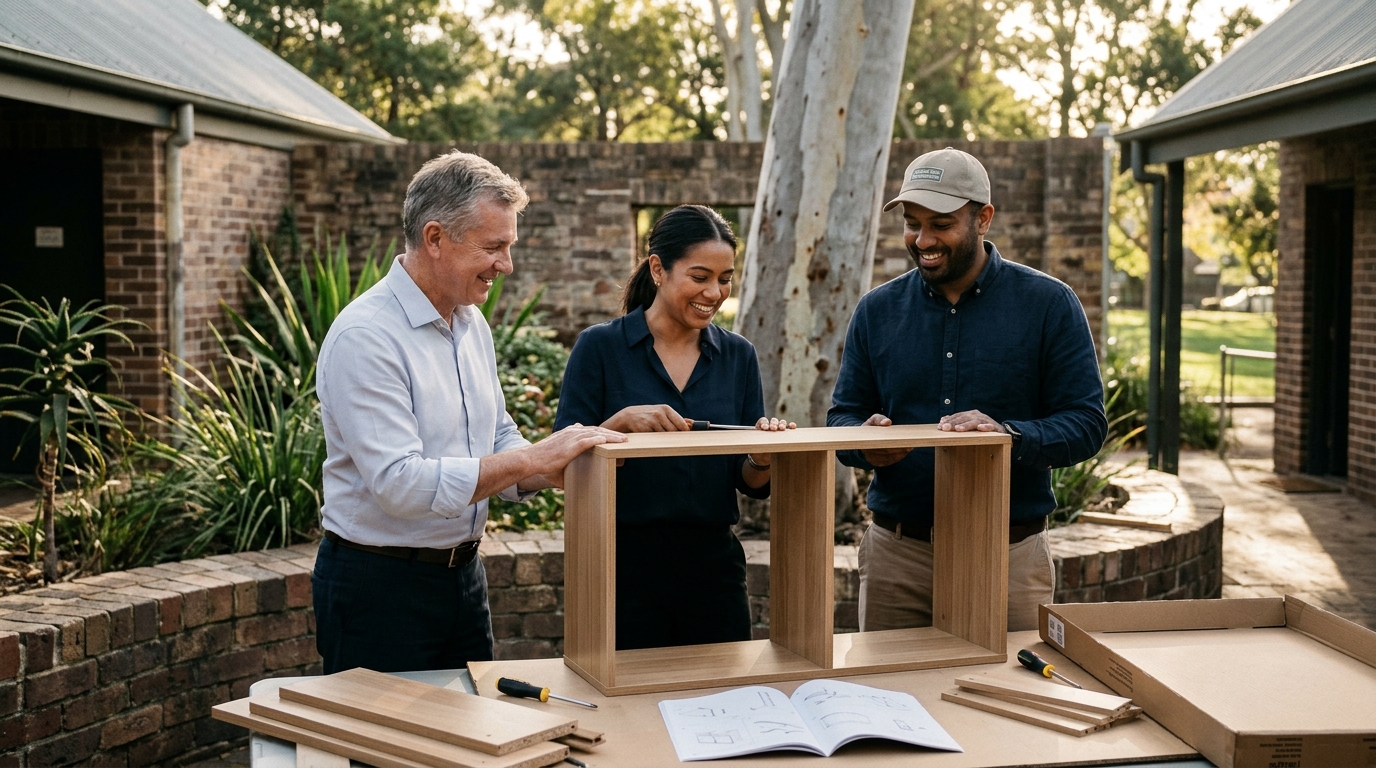
Corporate social responsibility (CSR) team activities are among the most powerful tools Australian businesses can use to strengthen workplace culture. Unlike traditional team building exercises, CSR activities connect employees to a shared purpose that extends beyond the office. Research shows that 73% of employees want to work for companies that make a positive impact on society. When your team collaborates on meaningful projects together, the result is deeper engagement, stronger bonds, and a culture people genuinely want to be part of. Here is your complete guide to the most effective CSR team activities for transforming company culture.
What Is CSR Team Building?
CSR team building is the practice of combining corporate social responsibility initiatives with collaborative team activities to achieve both community impact and workplace development goals. These activities aim to enhance employee morale, strengthen team bonds, and demonstrate the company's commitment to social causes.
A CSR team building programme typically starts with an introduction to the initiative and its objectives, followed by team formation and planning sessions. Teams then engage in hands-on activities such as community service projects, environmental conservation, or charitable builds. The key distinction is that these activities generate tangible outcomes for the community while developing teamwork skills internally.
Why CSR Activities Improve Company Culture
The Psychology of Purpose-Driven Work
When employees participate in CSR activities, they experience what psychologists call "meaningful work." This goes beyond job satisfaction and taps into the fundamental human need to contribute to something greater. Research from Harvard Business School shows that employees who find their work meaningful are 69% less likely to quit and show 16% higher performance levels.
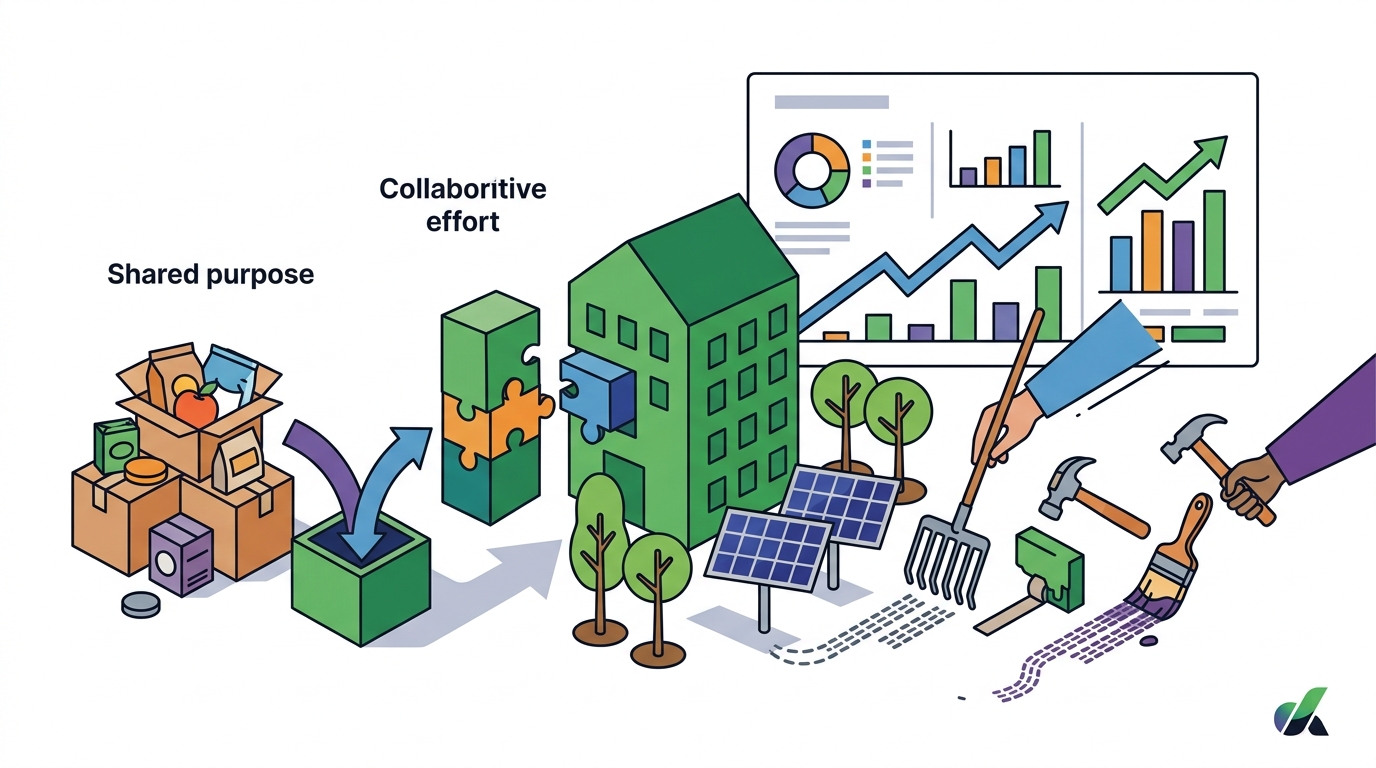
Authentic Connection Over Forced Fun
CSR activities create natural team building opportunities that feel authentic rather than forced. During these activities, teams work together to address real community needs, creating genuine interdependence and shared responsibility. This translates directly into stronger workplace relationships.
Enhanced Brand Perception
Companies that engage in CSR activities are viewed more favourably by consumers, investors, and potential employees. When your people feel proud of the organisation's mission, they stay longer and contribute more. CSR team building becomes a retention strategy, not just a cultural initiative.
The Most Effective CSR Team Activities
The best CSR activities combine meaningful community impact with genuine team collaboration. Here are the most effective formats for Australian workplaces:
Charity Bike Builds
Bike build programmes are one of the most popular and impactful CSR activities available. Activities like Bikes 4 Tykes and Build a Bike challenge teams to assemble bicycles through collaborative problem-solving, then donate the finished bikes to children in need. The combination of hands-on building, time pressure, and an emotional reveal creates a powerful shared experience.
Care Package Assembly
Programmes like Helping Hands involve teams assembling care packages for vulnerable community members. These activities foster empathy, communication, and a tangible sense of giving back. They work exceptionally well for indoor corporate events and conferences.
Fundraising Challenges
Charity Jackpot style events turn fundraising into a fun, competitive team experience. These initiatives unite employees around a common cause while fuelling teamwork, creativity, and problem-solving skills. The funds raised have a lasting impact on supported charities and community projects.
CSR vs Traditional Team Building: A Comparison
| Factor | Traditional Team Building | CSR Team Building |
|---|---|---|
| Purpose | Internal team bonding | Community impact + team bonding |
| Employee Motivation | Moderate (can feel forced) | High (authentic and meaningful) |
| Retention Impact | Short-term morale boost | Long-term engagement and loyalty |
| Brand Benefit | Minimal external impact | Enhanced employer brand and reputation |
| Skill Development | Communication and collaboration | Empathy, leadership, problem-solving, collaboration |
| Tangible Outcome | Shared memories | Donated goods, funds raised, community improvement |
CSR team building is a category of experiential learning that produces both internal team development and external community benefit simultaneously. This dual outcome is what makes it significantly more effective at shaping lasting culture change.
How to Plan a Successful CSR Team Event
Align with Company Values
The most effective CSR activities reflect your organisation's values and mission. Choose causes that resonate with your team. For example, technology companies might focus on education initiatives, while health organisations might support wellness-related charities.
Choose the Right Format
Consider your group size, venue, and time constraints. Hidden Door Experiences offers a dedicated range of charity team building activities that can be customised for groups of any size across Australia, from Sydney to Melbourne and beyond.
Involve Employees in the Cause
When employees are involved in selecting and understanding the cause, they feel ownership and pride. This creates buy-in, long-term engagement, and a truly purpose-led culture. Share the story of the beneficiaries before, during, and after the event.
Measuring the Impact of CSR Activities
Measuring impact is essential for demonstrating ROI and building ongoing support for CSR initiatives. Effective measurement includes:
- Employee participation rates and post-event feedback surveys
- Direct community impact such as number of bikes donated, care packages assembled, or funds raised
- Morale and cohesion metrics tracked through pulse surveys before and after events
- Retention data comparing turnover rates among participants versus non-participants
- Testimonials and stories that showcase the emotional and social impact
Explore the full range of team building activities available through Hidden Door Experiences to find the right fit for your team's culture goals.
Key Takeaways
- CSR team activities combine community impact with genuine team development, making them more effective than traditional team building for lasting culture change.
- 73% of employees prefer working for companies that make a positive social impact, making CSR a powerful recruitment and retention tool.
- Employees who find meaningful purpose in their work are 69% less likely to leave and perform 16% better.
- Charity bike builds, care package assemblies, and fundraising challenges are among the most impactful CSR activity formats.
- Aligning CSR activities with company values and involving employees in choosing the cause increases engagement and ownership.
- Measuring outcomes through participation rates, community impact, and employee feedback ensures continuous improvement.
- Professional facilitation from experienced providers like Hidden Door Experiences ensures activities deliver real results for both teams and communities.
Frequently Asked Questions
What are CSR team building activities?
CSR team building activities are structured group experiences that combine corporate social responsibility goals with collaborative teamwork. They involve employees working together on projects that benefit the community, such as building bikes for children or assembling care packages, while developing communication and collaboration skills.
How do CSR activities improve company culture?
CSR activities improve culture by connecting employees to a shared purpose beyond profit. They foster authentic relationships, boost morale, and create a sense of pride in the organisation. Employees who participate in meaningful CSR initiatives report higher job satisfaction and stronger loyalty.
What are the best CSR team activities in Australia?
Popular options in Australia include charity bike builds like Bikes 4 Tykes, care package programmes like Helping Hands, charity fundraising game shows, and environmental clean-up events. The best choice depends on your team size, location, and the causes that align with your company values.
How long does a CSR team building event typically take?
Most CSR team building events run between 1.5 and 3 hours, though they can be extended for larger groups or combined with other activities. Some providers offer half-day and full-day programmes that incorporate multiple CSR elements alongside other team experiences.
Can CSR activities work for remote or hybrid teams?
Yes, many CSR activities can be adapted for remote or hybrid teams through virtual formats. Virtual fundraising challenges, online trivia for charity, and coordinated local volunteering efforts all bring distributed teams together around a shared cause.
How do you measure the success of a CSR team event?
Success is measured through employee feedback surveys, participation rates, direct community impact (items donated, funds raised), and longer-term metrics like employee engagement scores and retention rates. Tracking these before and after events provides clear evidence of impact.
How much do CSR team building activities cost?
Costs vary depending on group size, activity type, and location. Most professional CSR team building experiences in Australia are priced per person and include all materials, facilitation, and charitable donations. Contact Hidden Door Experiences for a tailored quote.
Ready to Transform Your Company Culture?
CSR team activities deliver something traditional team building simply cannot: a genuine sense of shared purpose that lasts well beyond the event itself. Whether you are planning a conference energiser or a dedicated charity team day, the right CSR experience can reshape how your team connects, collaborates, and feels about coming to work. Get in touch with Hidden Door Experiences today to plan a CSR team building event that delivers real impact for your people and your community.