

Low employee engagement is not just a morale issue. It is a direct threat to operational efficiency and revenue retention. According to recent workplace studies, disengaged employees cost the global economy billions in lost productivity annually. When teams feel disconnected, collaboration breaks down and innovation stalls. The solution is not more mandatory fun. The solution is strategic, high-value experiences that respect professional boundaries while fostering genuine connection.
Why Traditional Team Building Fails
The term "cringe" in corporate settings usually refers to activities that force artificial intimacy or physical vulnerability. Employees resist these because they feel performative rather than authentic. Forced fun creates resentment. It signals that leadership prioritizes optics over employee comfort.
Traditional trust falls and awkward icebreakers ignore the modern workforce's desire for autonomy. When participation is mandatory, psychological safety drops. Employees withdraw emotionally to protect their professional identity. This withdrawal manifests as quiet quitting or increased turnover.
Successful engagement requires activities that offer choice and relevance. The goal is to create shared memories that translate to better workplace dynamics. This means moving away from childish games toward sophisticated challenges. Hidden Door Experiences has identified that teams respond better to structured creativity than unstructured socializing. Learn more about our approach to designing these nuanced interactions.
The Psychology of Authentic Connection
Authentic connection is defined as a mutual understanding of professional values and personal strengths. It is built through shared problem-solving, not shared embarrassment. When teams collaborate on a meaningful task, they reveal their natural leadership styles. This revelation builds respect without forcing vulnerability.
Neuroscience shows that collaborative success releases oxytocin. This hormone fosters trust and reduces social anxiety. However, the task must be challenging enough to require genuine effort. Easy tasks do not trigger this response. Complex tasks that require diverse skills create a sense of collective efficacy.
Consider the concept of "flow." Flow is a mental state where individuals are fully immersed in an activity. Team building should aim to induce flow states collectively. When teams enter flow together, the barrier between "colleague" and "partner" dissolves. This shift is critical for long-term engagement. Explore our blog for deeper insights into these psychological triggers.
The Anti-Cringe Activity Framework
To eliminate the cringe factor, apply the following framework to any proposed activity. First, ensure the activity has a clear professional relevance. Second, allow for diverse participation styles. Third, provide a tangible outcome or takeaway.
1. Creative Construction
Creative construction activities allow teams to build something tangible. This could be a LEGO masterpiece or a graffiti mural. These activities bypass verbal defenses and allow non-verbal collaboration. They are particularly effective for remote or hybrid teams that struggle with digital fatigue.
Our Brick Masters experience is a prime example. Teams design, build, and pitch their own LEGO creation. This process mirrors product development cycles. It encourages strategic thinking and persuasive communication. The result is a physical artifact that serves as a reminder of their collaboration.
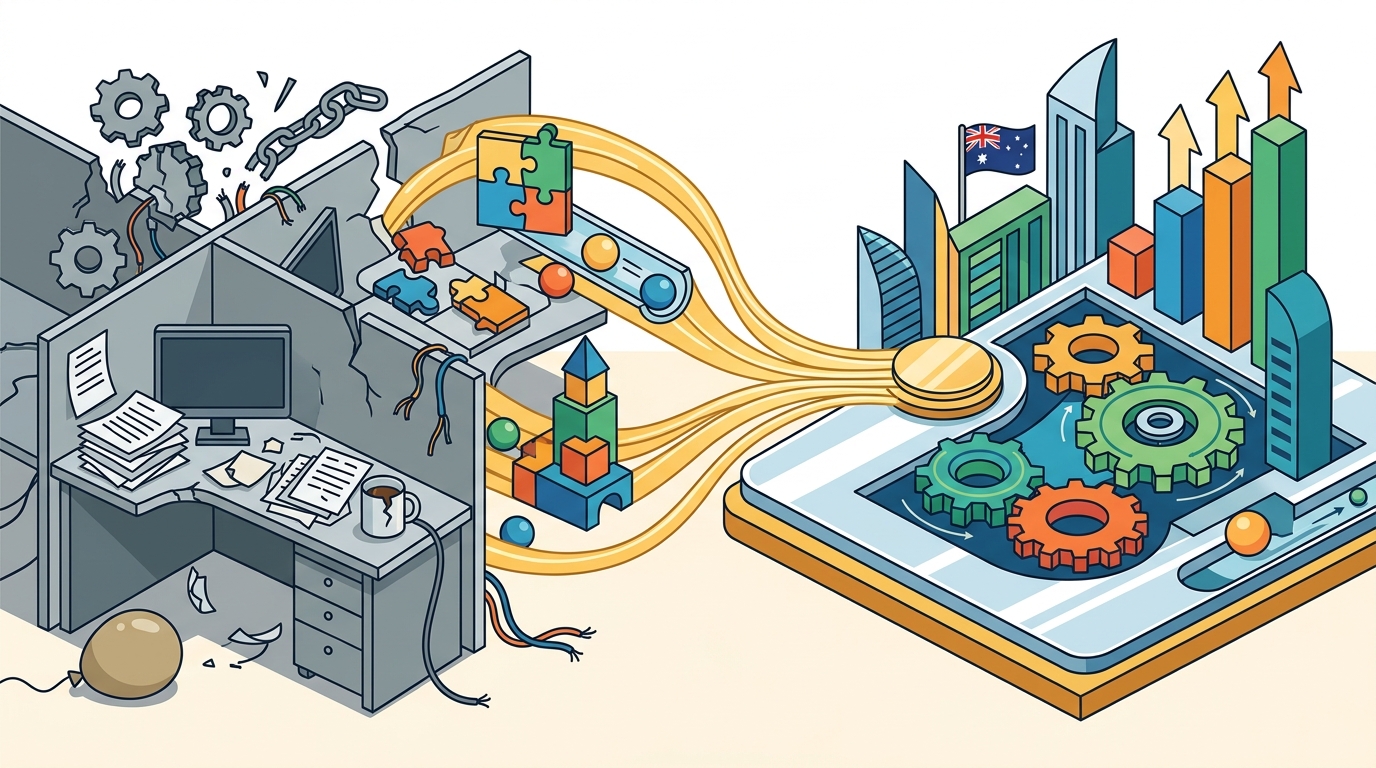
2. Strategic Problem Solving
Strategic problem solving engages the analytical side of the brain. Activities like escape rooms or mystery investigations require logical deduction. They reward clear communication and role delegation. This format appeals to data-driven teams who prefer structure over spontaneity.
These activities also level the playing field. Hierarchical titles matter less when everyone needs to contribute to the solution. This democratization of influence boosts confidence among junior staff. It also provides leaders with a new perspective on their team's capabilities.
3. Immersive Storytelling
Immersive storytelling places teams in a narrative context. This could be an amazing race or a corporate retreat adventure. The narrative provides a scaffold for interaction. It gives participants a reason to communicate beyond small talk.
Our Sydney team building locations often host these immersive events. The environment itself becomes a character in the story. This reduces the pressure on individuals to "perform" socially. Instead, they perform as part of a team unit. This collective identity is far more sustainable than forced individual bonding.
Comparing High-Impact Formats
Choosing the right format depends on your team's size, location, and current pain points. The table below compares three high-impact formats against the anti-cringe criteria.
| Format | Best For | Anti-Cringe Factor | Key Benefit |
|---|---|---|---|
| Creative Workshops | Design and Marketing Teams | High | Encourages lateral thinking |
| Outdoor Adventures | High-Energy Sales Teams | Medium | Builds resilience and trust |
| Virtual Challenges | Remote/Hybrid Teams | Very High | Accessible and inclusive |
Creative workshops often yield the highest satisfaction scores. They allow for individual expression within a group context. This balance is crucial for introverted team members who may find outdoor adventures overwhelming. View all our activities to find the perfect fit.
Implementation Guide for Leaders
Even the best activity can fail if implemented poorly. Leaders must set the right tone before the event begins. Communicate the purpose clearly. Avoid framing it as a reward or a punishment. Frame it as an investment in team capability.
Allow for opt-out options where possible. Mandatory attendance is the primary driver of the cringe factor. If attendance is required, ensure the activity is genuinely engaging. Boring mandatory events are worse than no event at all.
Follow up after the event. Discuss what worked and what did not. Connect the experience back to daily work. For example, if the activity required negotiation, discuss how that applies to client meetings. This reinforcement solidifies the learning. Book a corporate event to start this process.
Key Takeaways
- Forced fun creates resentment and lowers psychological safety.
- Authentic connection is built through shared problem-solving, not embarrassment.
- Creative construction activities like Brick Masters offer high engagement with low social pressure.
- Strategic problem solving levels the hierarchy and reveals natural leadership.
- Immersive storytelling provides a scaffold for natural interaction.
- Follow-up discussion is critical to translate fun into professional growth.
- Hidden Door Experiences specializes in designing these nuanced, high-impact events.
Frequently Asked Questions
What is the difference between team building and corporate retreats?
Team building focuses on specific skill development and interaction. Corporate retreats are broader experiences that include team building, relaxation, and strategic planning. Explore our retreat packages for more details.
How do I choose an activity for a mixed introvert-extrovert team?
Choose activities that allow for parallel processing. Creative workshops or strategic puzzles allow introverts to contribute without constant verbal performance. This ensures everyone feels valued.
Can team building be effective for remote teams?
Yes, virtual team building is highly effective if designed correctly. It requires digital-savvy facilitators and engaging platforms. Discover our virtual options.
What is the ideal duration for an anti-cringe team building event?
Two to four hours is usually optimal. Longer events risk fatigue and diminishing returns. Shorter events may not allow for deep engagement.
How do I measure the ROI of team building?
Measure engagement scores before and after the event. Track collaboration metrics and project completion times. Improved communication is a key indicator of success.
Do you offer customized activities for specific industries?
Yes, we tailor experiences to industry needs. Healthcare, finance, and tech teams have different requirements. Contact us to discuss your specific needs.
What is the role of facilitators in these events?
Facilitators guide the process without dominating it. They ensure psychological safety and keep the group on track. Their role is to enable, not to entertain.
Start Your Transformation
Stop settling for low engagement and awkward silences. Transform your team culture with experiences that respect your employees while challenging them to collaborate. Hidden Door Experiences is Australia's leading provider of nuanced, high-impact team building. We design events that deliver results, not cringe.
Ready to break the cycle? Get a quote today and discover how our tailored experiences can unlock your team's full potential.