

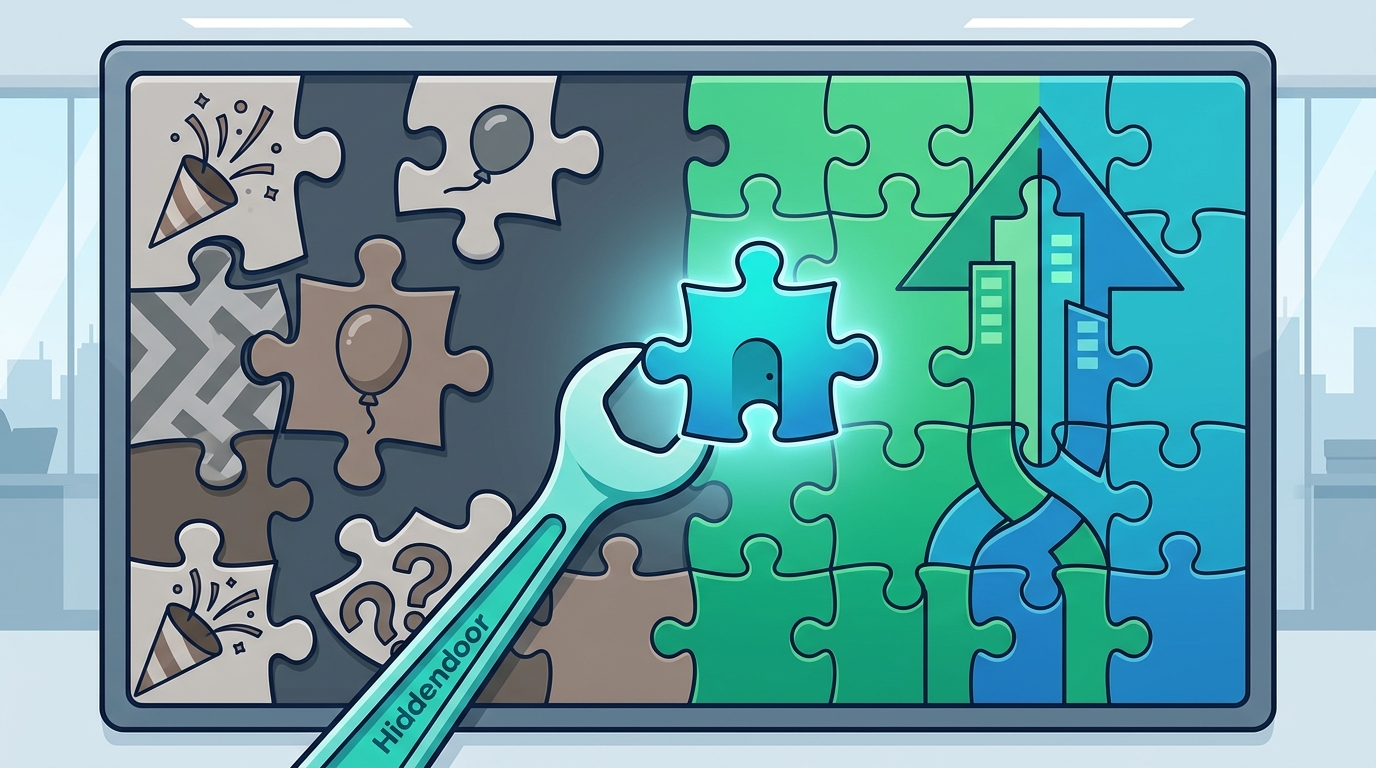
Employee disengagement is a silent killer of corporate productivity. According to recent workplace studies, approximately 23% of employees are actively disengaged, costing the global economy billions in lost productivity annually. This statistic highlights a critical failure in traditional corporate culture strategies. Companies often default to forced fun, which triggers immediate resistance rather than genuine connection. The solution lies in shifting from mandatory participation to voluntary, high-value experiences that respect professional boundaries.
Why Traditional Team Building Fails
The term "cringe" in corporate settings usually refers to activities that feel performative, awkward, or irrelevant to daily work life. When employees are forced to participate in trust falls or awkward icebreakers, it signals a lack of respect for their time and autonomy. This approach often backfires, creating resentment rather than rapport.
Traditional team building often ignores the diverse personality types within a workforce. Introverts may find loud, competitive games exhausting, while extroverts might find overly structured workshops stifling. The result is a fragmented experience where no one feels genuinely included. To solve low engagement, you must first understand why these old methods fail.
One major issue is the lack of psychological safety. If an activity feels like a test or a performance, employees will guard themselves rather than open up. This defensive posture prevents the vulnerability required for true team bonding. Furthermore, many traditional activities are one-off events with no lasting impact on workplace dynamics.
Another factor is the disconnect between the activity and business goals. When team building feels like a random distraction, employees question its value. They wonder why they are not working on actual projects. This perception undermines the entire purpose of the initiative. To counter this, activities must be framed as strategic investments in team capability.
The Psychology of Authentic Connection
Authentic connection is built on shared experiences that require collaboration, not just coordination. Collaboration is the process of working together to achieve a common goal. When teams solve problems together, they build trust through shared success and failure. This is far more effective than superficial socializing.
Research indicates that teams with high levels of psychological safety are more innovative and resilient. Psychological safety is the belief that one will not be punished or humiliated for speaking up with ideas, questions, concerns, or mistakes. Team building activities that encourage risk-taking in a safe environment foster this safety.
Furthermore, autonomy plays a crucial role in engagement. Employees who feel they have a choice in their development and activities are more motivated. Offering a menu of options allows individuals to select experiences that align with their interests. This respect for individual preference significantly boosts participation rates.
Meaningful engagement also stems from recognizing individual strengths. Activities that allow team members to showcase their unique skills, whether creative, analytical, or logistical, validate their contributions. This validation reinforces their sense of belonging and value within the organization.
The Anti-Cringe Activity Framework
To eliminate the "cringe" factor, adopt a framework based on three pillars: relevance, autonomy, and flow. Relevance ensures the activity connects to real-world skills. Autonomy gives participants control over their involvement. Flow keeps the experience engaging and immersive.
Flow is a mental state of complete immersion in an activity. When teams enter a flow state, they lose track of time and focus intensely on the task. This shared focus creates a powerful bond. Activities like escape rooms, creative challenges, or strategic games can induce this state effectively.
Consider the "Brick Masters" experience offered by Hidden Door. Teams design, build, and pitch their LEGO creation in a fast-paced creative challenge. This activity combines creativity with business pitching skills. It is relevant, fun, and produces a tangible outcome. It avoids the awkwardness of forced socialization by focusing on a shared task.
Another excellent option is "Breaking Barriers," a powerful interactive keynote that helps teams break through barriers and unlock performance. This format blends inspiration with actionable insights. It respects the professional context while challenging mental models. It is ideal for teams needing a mindset shift rather than just a laugh.
For outdoor enthusiasts, the "Amazing Race" format offers a dynamic alternative. Teams navigate challenges across a location, solving puzzles and completing tasks. This promotes physical activity and strategic planning. It is highly engaging for teams that thrive on movement and competition.
Virtual teams also benefit from tailored experiences. Virtual team building must be designed to overcome digital fatigue. Interactive workshops and online game shows can bridge the distance. The key is to ensure high interactivity and clear facilitation to maintain energy levels.
Comparing High-Impact Experiences
Selecting the right activity depends on your team's size, location, and goals. The table below compares popular high-impact options to help you decide.
| Experience Type | Best For | Key Benefit | Format |
|---|---|---|---|
| Brick Masters | Creative Teams | Innovation & Pitching | Indoor Workshop |
| Breaking Barriers | Leadership Groups | Mindset Shift | Interactive Keynote |
| Amazing Race | Active Teams | Strategy & Movement | Outdoor Adventure |
| Virtual Workshops | Remote Teams | Connection | Online Interactive |
Each option offers a distinct value proposition. Brick Masters is ideal for fostering creativity. Breaking Barriers suits strategic alignment. The Amazing Race energizes active groups. Virtual workshops ensure inclusivity for remote staff.
Consider your team's current mood. If morale is low, a lighter, fun-focused activity like a game show might be better. If the team is stressed, a calming experience like breathwork and ice baths could be more appropriate. Matching the activity to the emotional state is crucial for success.
Implementation and Logistics
Successful implementation requires careful planning. Start by defining clear objectives. What do you want to achieve? Improved communication? Better collaboration? Higher morale? Your goals will dictate the activity choice.
Next, consider the logistics. Location, duration, and budget are key factors. Hidden Door Experiences offers various locations including Sydney, Melbourne, and Brisbane. They also provide corporate retreats for immersive experiences.
Communication is vital. Explain the "why" behind the event to your team. Frame it as an opportunity for growth and connection, not a mandatory obligation. Encourage feedback and input during the planning phase to increase buy-in.
Follow-up is often overlooked. Debrief the experience to reinforce learnings. Discuss what worked, what didn't, and how to apply these insights to daily work. This step transforms a fun day into a lasting cultural shift.
Finally, measure the impact. Use surveys and performance metrics to assess changes in engagement. Track participation rates and feedback scores. This data will help refine future initiatives and demonstrate ROI to stakeholders.
Key Takeaways
- Traditional team building often fails due to lack of autonomy and relevance.
- Psychological safety is essential for genuine team connection.
- Activities like Brick Masters and Breaking Barriers offer high-impact, non-cringe alternatives.
- Matching activity type to team mood and goals is critical for success.
- Hidden Door Experiences provides tailored solutions for indoor, outdoor, and virtual teams.
- Clear objectives and follow-up debriefs maximize the return on investment.
- Respecting employee preferences boosts participation and reduces resistance.
Frequently Asked Questions
How do I choose the right team building activity?
Assess your team's size, interests, and current challenges. Consider whether they prefer indoor or outdoor settings. Align the activity with specific business goals like communication or innovation.
What is the difference between team building and corporate retreats?
Team building focuses on specific skills and dynamics through structured activities. Corporate retreats are broader experiences that often include team building, relaxation, and strategic planning in a different environment.
Can team building work for remote teams?
Yes, virtual team building is highly effective. It requires specialized facilitation and interactive tools to ensure engagement. Activities like online game shows or virtual workshops can bridge the distance.
How long should a team building event last?
Typically, half-day or full-day events are most effective. Shorter events may not allow for deep engagement, while longer ones can cause fatigue. The duration should match the complexity of the activity.
What if my team is resistant to team building?
Address resistance by explaining the benefits and offering choices. Avoid mandatory participation. Focus on high-quality, relevant experiences that respect their time and preferences.
Does Hidden Door Experiences offer custom packages?
Yes, they provide tailored experiences based on client needs. You can contact them to discuss specific requirements and goals.
What are the benefits of creative team building?
Creative activities foster innovation, problem-solving, and collaboration. They allow employees to express themselves in new ways, leading to stronger connections and fresh perspectives.
Start Your Transformation
Low employee engagement does not have to be your company's reality. By choosing high-quality, relevant, and respectful team building experiences, you can foster a culture of trust and collaboration. Hidden Door Experiences offers a range of proven activities designed to deliver real results. Explore their services today and transform your team dynamics.