
How to Solve Low Employee Engagement with Corporate Team Building That Isn't 'Cringe'
Low employee engagement is not just a morale issue. It is a direct threat to operational efficiency and revenue retention. According to recent workplace studies, disengaged employees cost the global economy hundreds of billions in lost productivity annually. The traditional solution of forced fun often backfires, creating resentment rather than connection. The key to solving this lies in shifting from mandatory entertainment to strategic experience design. This guide explains how to implement team building that respects adult intelligence and delivers measurable cultural outcomes.
Why Traditional Team Building Fails
The term "cringe" in corporate settings usually refers to activities that ignore professional boundaries or force artificial intimacy. When teams are asked to perform childish games or engage in awkward icebreakers, the result is often social anxiety rather than bonding. This is particularly true for remote or hybrid teams who already struggle with digital fatigue.
True engagement requires autonomy and competence. Employees need to feel that their time is respected and that the activity offers a genuine break from routine. According to workplace culture research, activities that allow for creative expression and strategic thinking yield higher satisfaction rates than those focused on physical competition or humiliation. The goal is to create a "hidden door" moment where teams pause their daily autopilot and engage with curiosity.
The Design Principles of Non-Cringe Activities
To eliminate the cringe factor, you must apply specific design principles to your corporate events. These principles ensure that the experience feels professional, inclusive, and impactful.
1. Autonomy Over Performance
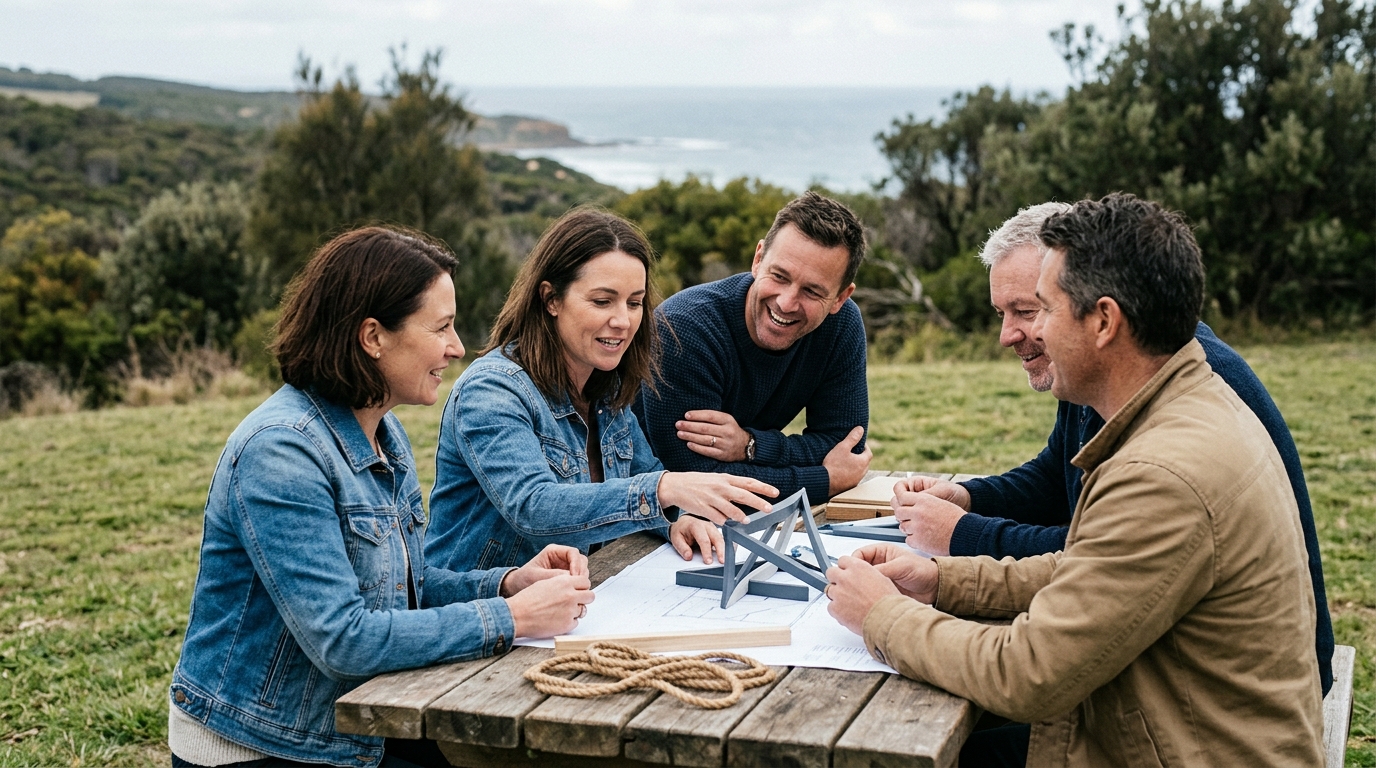
Avoid activities that require public performance or singing. Instead, choose challenges where the team collaborates on a tangible outcome. This shifts the focus from individual embarrassment to collective achievement. For example, building a complex structure together allows for quiet collaboration rather than loud performance.
2. Intellectual Stimulation
Adults crave mental engagement. Activities that involve problem-solving, strategy, or creative design are perceived as more valuable than simple games. This is why escape room-style challenges or design sprints are popular among senior leadership teams. They mimic the cognitive load of actual work but in a low-stakes environment.
3. Inclusive Physicality
Not all employees have the same physical abilities. Avoid high-intensity physical challenges unless they are optional. Focus on activities that can be adapted for all mobility levels. This ensures that no one feels excluded or judged for their physical limitations.
Comparing High-Impact Activity Models
Not all team building is created equal. Below is a comparison of three distinct models that have proven effective for high-performing teams. These models are designed to be engaging without being embarrassing.
| Activity Model | Core Mechanic | Best For | Engagement Factor |
|---|---|---|---|
| Brick Masters | LEGO® Design & Pitch | Creative Teams, Innovation Sprints | High (Tactile & Visual) |
| Hostage | Immersive Escape Room | Problem Solving, Communication | High (Urgency & Focus) |
| The Big Picture | Collaborative Canvas Art | Large Groups, Culture Building | Medium-High (Shared Outcome) |
| Aboriginal Art | Cultural Storytelling | Diversity & Inclusion, Reflection | High (Emotional Connection) |
Creative Builds: Brick Masters
Brick Masters is a creative and collaborative LEGO® team building experience designed for working under pressure and creating epic builds. Teams are given a brief and a set of bricks. They must design, build, and pitch their creation. This activity is excellent for breaking down silos because it requires negotiation and role assignment without the pressure of physical exertion.
Immersive Puzzles: Hostage
Hostage is an immersive escape room team building activity designed to get people thinking and collaborating. Unlike traditional escape rooms, this experience is often facilitated and tailored to corporate narratives. It forces teams to communicate clearly under time pressure. This mirrors high-stakes business environments but in a safe, controlled setting.
Collaborative Art: The Big Picture
The Big Picture turns small canvases into one large artwork to reinforce the concept of working collaboratively towards one common outcome. Each team member paints a small section. The final reveal shows how individual contributions create a unified whole. This is a powerful metaphor for organizational alignment and is particularly effective for large groups where individual anonymity can be a barrier.
Aligning Activities with Business Goals
To justify the investment in team building, you must align the activity with specific business objectives. Is the goal to improve communication between departments? Choose a puzzle-based challenge. Is the goal to boost morale after a merger? Choose a creative, low-stakes activity like Brick Masters. Hidden Door Experiences has spent 18 years designing activities that deliver real outcomes at work. Their approach is named Australia’s Best Team Building Company by Spice Magazine six years running.
Consider the location as well. Sydney, Melbourne, and Brisbane offer diverse venues. For example, Sydney team building options often leverage iconic backdrops to inspire creativity. Meanwhile, Melbourne team building might focus on indoor resilience due to weather unpredictability. Choosing the right format and location is critical for engagement.
Key Takeaways
- Avoid Forced Fun: Activities that require public performance or childish games often lead to resentment and disengagement.
- Prioritize Autonomy: Choose challenges that allow teams to solve problems creatively rather than following rigid instructions.
- Use Data-Driven Selection: Align activities with specific business goals such as communication, innovation, or culture building.
- Leverage Expertise: Partner with established providers like Hidden Door Experiences, which has delivered experiences for over 631,000 participants.
- Consider Inclusivity: Ensure activities are adaptable for all physical abilities and comfort levels.
- Focus on Outcomes: Measure success by the quality of interaction and collaboration, not just attendance.
- Plan Early: High-quality corporate events require lead time for customization and venue booking.
Frequently Asked Questions
What is the difference between team building and corporate events?
Team building focuses on specific interpersonal dynamics and skill development, such as communication or problem-solving. Corporate events are broader gatherings aimed at celebration, networking, or brand alignment. Both can be designed to avoid the "cringe" factor by focusing on meaningful engagement.
How do I choose the right team building activity for my team?
Assess your team's current needs. If they need to break down silos, choose a collaborative puzzle. If they need to innovate, choose a creative build. Hidden Door Experiences offers a discovery call to help you match the activity to your specific goals.
Are virtual team building activities effective?
Yes, but they require different design principles. Virtual activities must be highly interactive to combat digital fatigue. Options like virtual escape rooms or online creative challenges can be effective if facilitated by experts who understand remote dynamics.
What is the average cost of corporate team building in Australia?
Costs vary based on group size, activity type, and location. However, the ROI of improved engagement often outweighs the initial investment. Providers like Hidden Door Experiences offer tailored quotes to fit various budgets.
How long should a team building session last?
Typically, half-day or full-day sessions are most effective. Shorter sessions may not allow for deep engagement, while longer sessions can lead to fatigue. The Big Picture activity, for example, is designed to be completed within a structured timeframe to maintain energy.
Can team building be done outdoors?
Yes, outdoor activities like the Survivor experience offer a different dynamic. They are great for resilience and adaptability but require careful consideration of weather and physical ability.
What is the "Hidden Door" concept?
The "Hidden Door" represents the moment you turn off autopilot and into curiosity and imagination. It is where teams pause, lean in, and engage differently. This concept guides the design of all Hidden Door Experiences.
Ready to Transform Your Team Culture?
Stop settling for awkward icebreakers and forced fun. Discover how strategic, high-quality team building can solve your engagement challenges. Book a discovery call with Hidden Door Experiences today to design an event that your team will actually remember.