
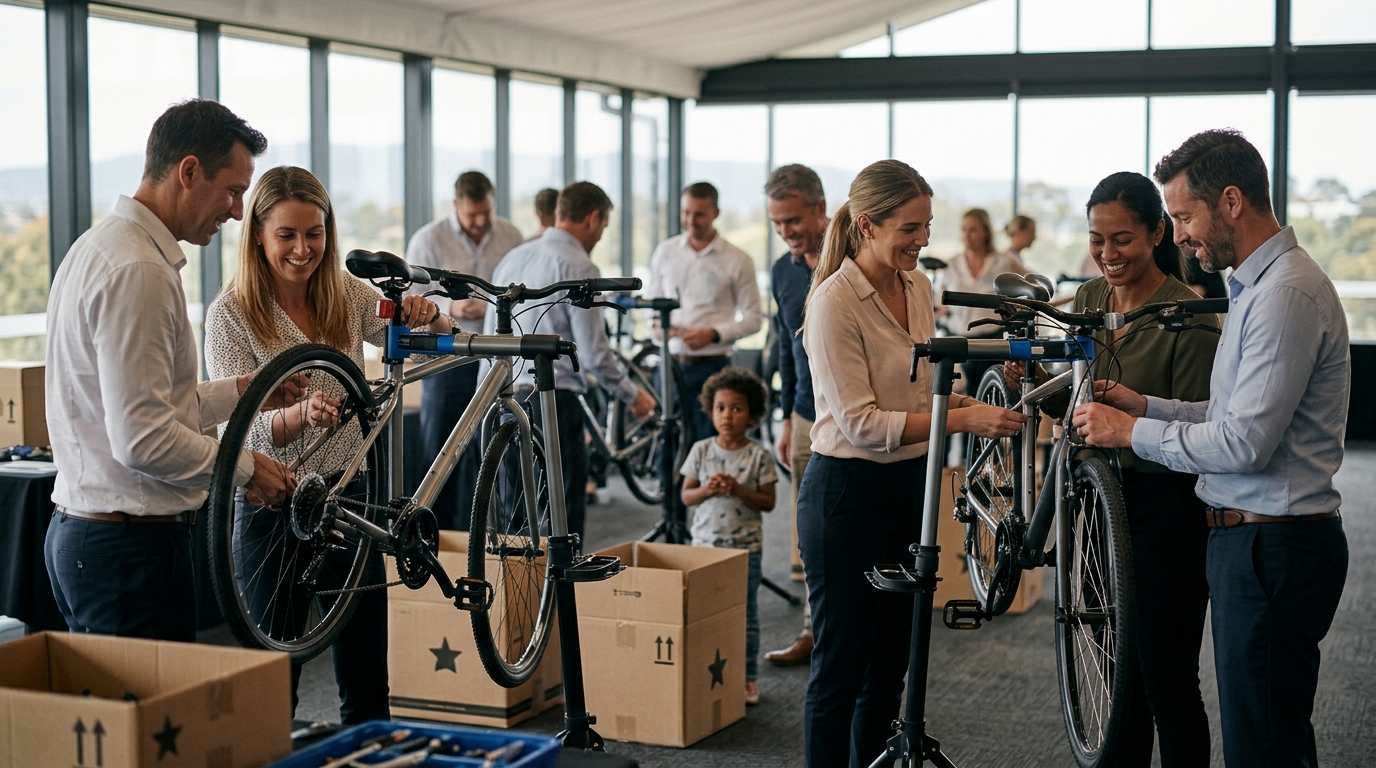
Corporate events are shifting away from passive networking toward high-impact, values-driven experiences. Charity bike building events have emerged as a premier choice for large conferences because they combine physical activity, creative collaboration, and tangible social good. According to recent industry data on corporate social responsibility, 87% of consumers say they would purchase a product from a company that advocates for environmental issues, and 76% would refuse to work for a company that does not hold itself accountable to similar standards. This statistic underscores why aligning your conference with a charitable cause like Hidden Door Experiences is not just a logistical choice but a strategic brand imperative.
Understanding the Impact of Bike Building
Charity bike building is more than just assembling metal and rubber. It is a structured exercise in teamwork, problem-solving, and empathy. The core concept involves teams working together to construct bicycles, which are then donated to children in need or local communities. This activity fosters a sense of shared purpose that standard team-building exercises often fail to achieve.
The psychological benefit lies in the tangible outcome. Unlike abstract workshops, participants leave with a physical object they helped create for a good cause. This aligns with the growing demand for meaningful corporate team building that resonates on a personal level. When employees see their collective effort result in a functional bike for a child, the emotional payoff reinforces company culture and boosts morale significantly.
Furthermore, these events are highly inclusive. They do not require athletic prowess or specialized technical skills, making them accessible to all departments, from engineering to executive leadership. This inclusivity is crucial for large conferences where diverse groups need to interact seamlessly.
Logistics and Vendor Selection
Organizing a large-scale charity bike event requires meticulous planning. The first step is selecting a vendor who specializes in this niche. General event planners may lack the specific expertise required to handle the mechanical components and the charitable distribution logistics.
Evaluating Vendor Expertise
Look for providers who have a proven track record in charity team building. They should offer end-to-end services, including bike procurement, assembly kits, on-site facilitation, and donation coordination. A reputable vendor will also handle the legal and logistical aspects of donating the bikes to registered charities, ensuring tax compliance and proper documentation.
Scale and Capacity
For large conferences, capacity is critical. You need a vendor who can manage hundreds of participants simultaneously without compromising the quality of the experience. This involves having enough assembly stations, tools, and bikes to keep every team engaged. Hidden Door Experiences has delivered experiences for over 631,000 participants, demonstrating the scalability required for major corporate events.
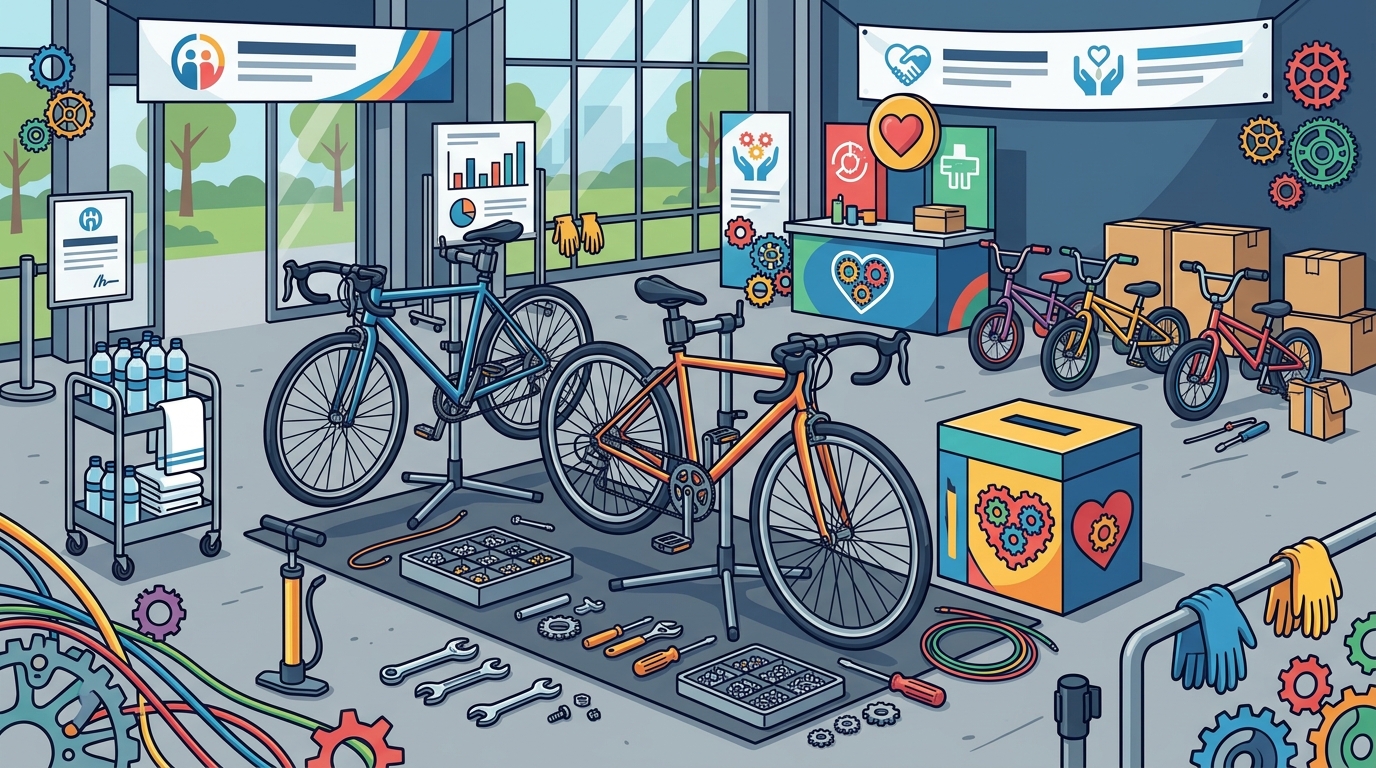
Activity Design and Workflow
The success of the event hinges on the design of the activity itself. It should be structured to encourage collaboration rather than competition. The goal is not to build the fastest bike, but to build the best team through the process of building.
Team Formation
Divide participants into small teams of 6-8 people. Mix departments to encourage cross-functional networking. Assign roles within each team, such as project manager, parts organizer, and quality control, to simulate real-world corporate dynamics.
The Assembly Process
The assembly should be broken down into clear phases. Start with frame assembly, followed by wheel installation, and finally, component attachment. Each phase should require input from all team members. This ensures that no single individual dominates the process and that everyone contributes to the final product.
Facilitation and Debrief
Professional facilitators are essential. They guide the teams through the challenges, provide support when needed, and lead a debriefing session afterward. The debrief is where the learning happens. Facilitators help participants connect the experience to their workplace behaviors, such as communication, resource management, and leadership.
Venue and Infrastructure
The venue must support the physical requirements of bike building. This includes ample floor space for assembly stations, storage for bikes and parts, and adequate lighting for detailed work.
Space Requirements
Calculate space based on the number of teams. Each team needs a dedicated area with a table or workbench. Ensure there is enough circulation space for facilitators to move between teams and for participants to access supplies. Hidden Door Experiences offers venue recommendations and partnerships to ensure the space is optimized for the activity.
Technical Support
Ensure the venue has access to power for any electronic components or lighting needs. Additionally, consider the acoustics of the space. Large conferences can be noisy, so a venue with good sound management will help facilitators communicate effectively with all teams.
Maximizing Engagement and ROI
To maximize the return on investment, integrate the bike building event into the broader conference narrative. Use it as a keynote activity or a mid-conference energizer to re-engage participants.
Branding and Visibility
Allow teams to customize their bikes with company branding or custom decals. This creates a lasting visual reminder of the event and reinforces brand identity. Photograph the teams with their completed bikes and share these images on social media to extend the reach of the event.
Charitable Impact Reporting
Provide participants with a report on the impact of their donations. Include stories from the recipients, photos of the bikes being delivered, and the total number of bikes built. This tangible proof of impact reinforces the value of their participation and encourages future engagement.
Key Takeaways
- Strategic Alignment: Charity bike building aligns corporate values with employee actions, boosting morale and brand reputation.
- Vendor Expertise: Choose a specialized provider like Hidden Door Experiences for scalable, high-quality execution.
- Inclusive Design: The activity is accessible to all skill levels, fostering genuine cross-departmental collaboration.
- Logistical Precision: Proper venue selection and space planning are critical for managing large groups effectively.
- Measurable Impact: Provide clear reporting on charitable outcomes to demonstrate ROI and social responsibility.
- Facilitation Value: Professional debriefing connects the physical activity to workplace behaviors and leadership skills.
- Scalability: Proven providers can handle hundreds of participants without compromising the experience quality.
Frequently Asked Questions
How many people can participate in a charity bike building event?
Charity bike building events can scale to accommodate hundreds of participants. The key is having sufficient assembly stations and facilitators to manage the groups effectively. Providers like Hidden Door Experiences specialize in large-scale corporate events.
What is the typical duration of a bike building activity?
A standard charity bike building session lasts between 2 to 3 hours. This includes team formation, the assembly process, and a facilitated debriefing session. The duration can be adjusted based on the conference schedule.
How are the bikes donated?
The vendor typically coordinates the donation to local charities or registered non-profits. They handle the logistics of transporting the bikes and provide documentation for tax purposes. This ensures a seamless and compliant charitable process.
Is technical knowledge required to build the bikes?
No technical knowledge is required. The activity is designed to be intuitive and collaborative. Professional facilitators guide teams through each step, ensuring that everyone can contribute regardless of their mechanical background.
Can the bikes be customized?
Yes, many providers offer customization options such as company logos, custom colors, or branded accessories. This adds a unique touch and reinforces corporate identity.
What are the space requirements for the venue?
The venue needs ample floor space for assembly tables, circulation areas, and storage for bikes and parts. Adequate lighting and power access are also essential. Hidden Door Experiences can assist with venue selection to ensure suitability.
How does this activity benefit team culture?
It fosters collaboration, communication, and a shared sense of purpose. The tangible outcome of building bikes for charity creates a positive emotional connection among team members, strengthening workplace relationships.
Ready to Build Something Meaningful?
Organizing a charity bike building event is a powerful way to elevate your corporate conference. It combines fun, collaboration, and social impact into a memorable experience. To ensure a seamless and impactful event, partner with experts who understand the nuances of large-scale corporate engagement.
Discover how Hidden Door Experiences can transform your next conference with a custom charity bike building program. Book a discovery call today to discuss your specific needs and create an unforgettable experience for your team.