
Corporate Social Responsibility (CSR) is no longer just a compliance checkbox for modern enterprises. Recent industry reports indicate that 71% of consumers prefer to purchase from companies that demonstrate environmental and social responsibility. Furthermore, employees are increasingly motivated by purpose-driven work, with data showing that purpose-led organizations see a 40% higher retention rate. Integrating CSR into your team building strategy transforms abstract corporate values into tangible, shared experiences. This approach not only enhances your brand reputation but also strengthens internal bonds through meaningful collaboration.
Why CSR Activities Matter for Company Culture
Corporate Social Responsibility is defined as a business model that helps a company be socially accountable to itself, its stakeholders, and the public. When teams engage in CSR together, they move beyond transactional work relationships. They build empathy, shared purpose, and a deeper understanding of their collective impact. This shared emotional investment is critical for long-term cultural health. (Corporate Events Australia Hidden)
Traditional team building often focuses on games or competition. CSR activities shift the focus to contribution and collaboration. According to Hidden Door Experiences, a leading provider of corporate events in Australia, experiences that feel human and impactful are far more memorable than forced fun. This principle holds true globally. When employees see their company actively contributing to societal good, their pride in their employer increases significantly. This pride translates into higher engagement, better collaboration, and a more resilient workplace culture.
Moreover, CSR activities provide a unique opportunity for cross-departmental interaction. In many organizations, silos can hinder innovation. A charity-focused event breaks down these barriers. Team members who rarely interact in the office find common ground in a shared mission. This informal bonding accelerates trust and improves communication channels that persist long after the event concludes.
Top CSR Team Building Activities
Selecting the right activity depends on your team size, location, and specific social goals. Below are the most effective models for integrating CSR into your corporate calendar.
1. Charity-Focused Creative Workshops
Creative workshops allow teams to produce tangible goods for charitable causes. This model combines the satisfaction of creation with the altruism of donation. For example, teams can build items for underprivileged communities or create art for hospital wards. This approach is particularly effective for remote or hybrid teams when adapted digitally, though in-person workshops often yield deeper connection.
Hidden Door Experiences offers charity team building options that align with this model. These activities are designed to be inclusive, ensuring that every participant, regardless of skill level, feels valued. The resulting products serve as a lasting reminder of the team's collective effort and compassion.
2. Community Restoration and Green Initiatives
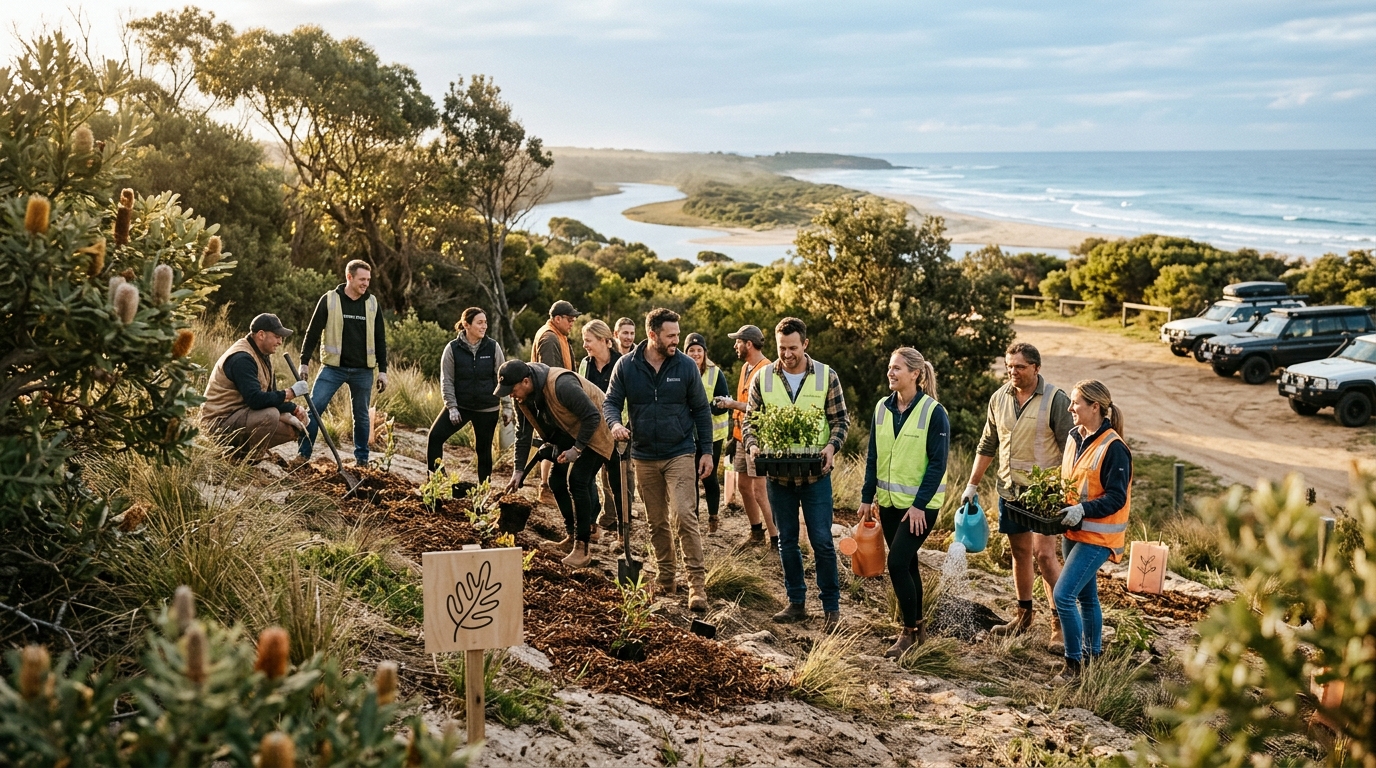
3.Environmental stewardship is a core pillar of modern CSR. Activities such as tree planting, beach cleanups, or urban gardening projects allow teams to physically improve their local environment. These activities are often low-cost but high-impact. They also promote physical activity and outdoor engagement, which contributes to employee wellbeing.
Data from environmental NGOs shows that community-led restoration projects can have a multiplier effect on local biodiversity. When companies sponsor these efforts, they demonstrate genuine commitment to sustainability. This is not greenwashing. It is active participation in solving local challenges. Teams often report a strong sense of accomplishment after seeing the immediate results of their labor.

3. Skill-Based Volunteering
Skill-based volunteering leverages the professional expertise of your employees to help nonprofits. For instance, a marketing team might help a charity develop a campaign. An IT team might set up infrastructure for a local shelter. This model is highly efficient because it uses existing resources to solve real problems.
However, skill-based volunteering requires careful coordination. It is not a casual drop-in activity. It demands planning and alignment between the corporate team and the nonprofit's needs. When executed well, it provides immense professional satisfaction. Employees see their daily skills applied to a higher purpose. This reinforces their value and confidence in their professional abilities.
4. Inclusive Fundraising Challenges
Fundraising challenges, such as charity runs or donation drives, are classic CSR activities. While effective, they can sometimes feel disconnected from the actual work of the charity. To maximize impact, these activities should be paired with educational components. Teams should learn about the cause before and after the event.
For example, a team might participate in a charity run followed by a workshop on the issues facing the beneficiaries. This structure ensures that the energy of the event translates into sustained awareness and support. It also allows for broader company participation, including those who may not be able to attend the physical event.
Comparing CSR Activity Models
Choosing the right CSR activity requires balancing impact, engagement, and logistics. The table below compares the primary models based on key operational metrics.
| Activity Model | Primary Impact | Team Engagement Level | Logistical Complexity | Best For |
|---|---|---|---|---|
| Creative Workshops | Tangible goods for charity | High (Collaborative) | Medium | Building empathy and creativity |
| Green Initiatives | Environmental restoration | Medium (Physical) | Low to Medium | Wellbeing and sustainability goals |
| Skill-Based Volunteering | Professional expertise transfer | High (Intellectual) | High (Coordination) | Leveraging core business strengths |
| Fundraising Challenges | Financial support for causes | Variable (Competitive) | Medium | Broad participation and awareness |
When evaluating these options, consider your team's current culture. If your team is stressed and needs relaxation, green initiatives may be best. If they are siloed and need connection, creative workshops are superior. If you want to highlight your company's professional value, skill-based volunteering is the clear choice.
Key Takeaways
- Purpose Drives Retention: Employees at purpose-led organizations are significantly more likely to stay, reducing turnover costs.
- Authenticity is Critical: CSR activities must align with genuine company values to avoid perceptions of greenwashing.
- Collaboration Over Competition: Activities that require teamwork yield stronger cultural bonds than competitive events.
- Tangible Outcomes Matter: Teams prefer activities where they can see the direct result of their efforts.
- Inclusivity Ensures Engagement: Activities must be accessible to all employees, regardless of physical ability or role.
- Long-Term Impact: One-off events have limited effect. Regular CSR integration builds a sustained culture of responsibility.
- Brand Reputation: External CSR efforts enhance your company's public image and attract top talent.
Frequently Asked Questions
How do CSR activities improve employee morale?
CSR activities provide a sense of meaning and accomplishment. When employees contribute to a cause greater than themselves, they experience increased job satisfaction and reduced burnout. This positive emotional state spills over into their daily work interactions.
What is the best CSR activity for large teams?
For large teams, decentralized activities like skill-based volunteering or large-scale fundraising challenges work best. These allow for parallel engagement without logistical bottlenecks. Alternatively, a large-scale creative workshop can be split into smaller, manageable groups.
Can CSR activities be done virtually?
Yes, many CSR activities can be adapted for remote teams. Virtual workshops, online fundraising campaigns, and digital skill-sharing sessions are effective options. The key is maintaining a sense of shared purpose and connection despite the physical distance.
How do we measure the success of a CSR event?
Success can be measured through employee feedback surveys, participation rates, and the tangible impact on the charity. Qualitative feedback is often more valuable than quantitative data. Ask employees how the event made them feel and what they learned.
Is CSR team building expensive?
Costs vary widely. Some activities, like local cleanups, have minimal costs. Others, like professional workshops, may require investment. However, the return on investment through improved retention and engagement often outweighs the initial expense. Many providers offer scalable packages to fit different budgets.
How often should we hold CSR events?
Quarterly CSR events are a common and effective cadence. This frequency keeps the culture of responsibility alive without overwhelming employees. It also allows for planning and anticipation, which builds excitement.
What are some examples of charity team building?
Examples include building bikes for children in need, creating art for hospitals, or packing meals for food banks. These activities combine physical or creative effort with direct charitable impact. They are highly engaging and memorable for participants.
Plan Your Impactful Event
Transform your company culture through meaningful action. Hidden Door Experiences specializes in designing CSR team building activities that deliver real outcomes. From creative workshops to immersive challenges, we help you build a culture of empathy and collaboration. Contact us today to book a discovery call and start planning your next impactful event.